Book Appointment Now

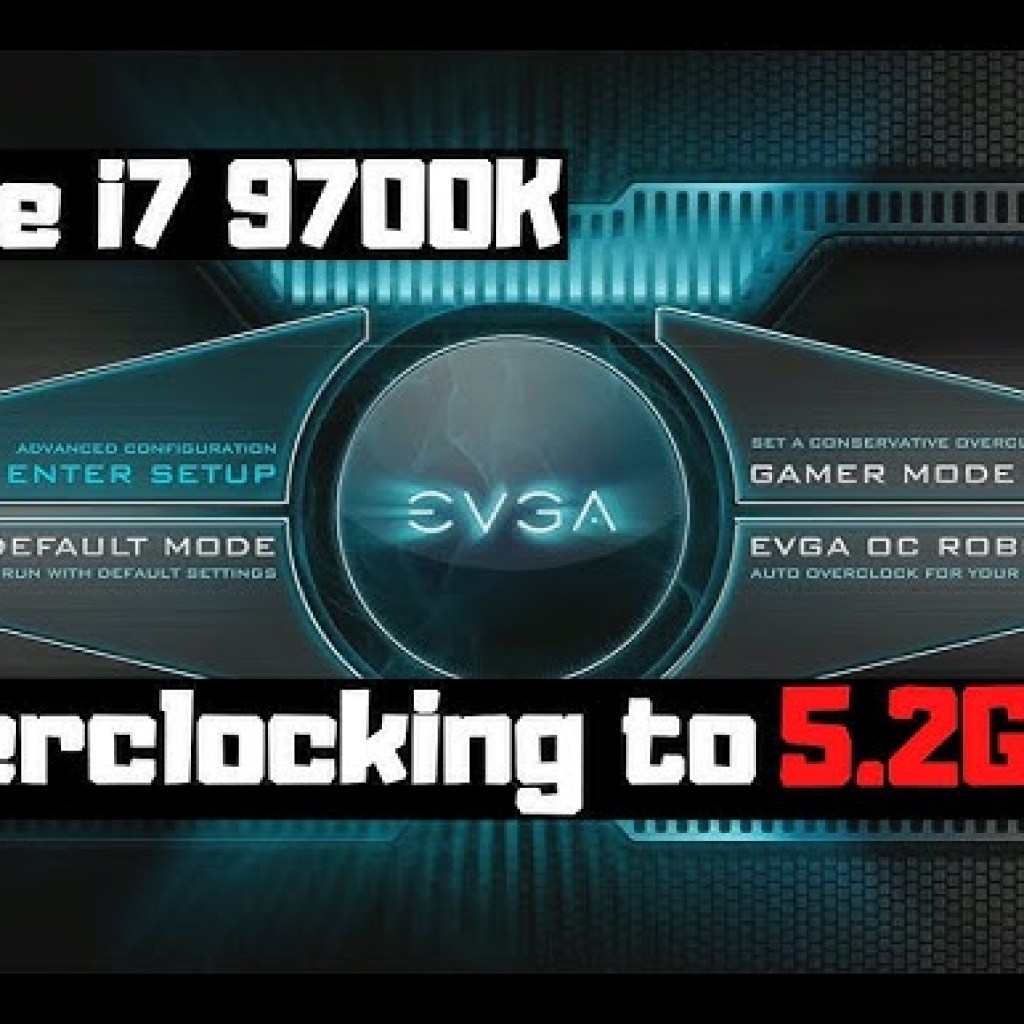
Best i7-9700K Overclock Settings for 2026
Best i7-9700K Overclock Settings for 2026
Best i7-9700K Overclock Settings (2026): Stable 5.0 GHz on Z390
The Intel i7-9700K may be a 9th Gen CPU, but with the right tuning it still delivers competitive gaming performance in 2026. A properly dialed 5.0 GHz all-core overclock improves 1% lows, reduces CPU bottlenecks, and keeps modern GPUs fed at 1440p and even 4K.
This guide provides safe daily voltages, Load-Line Calibration (LLC) guidance, AVX offset tuning, RAM optimization, and a stress-testing checklist to help you extract maximum performance without degrading your chip.
Quick 5.0 GHz Settings Summary
- ⚡ Target Clock: 5.0 GHz all-core (most chips capable)
- 🔧 Daily Vcore Range: 1.30V – 1.35V (max recommended 1.38V)
- 🛡️ LLC: Level 5 / Turbo (balanced Vdroop control)
- 🧊 AVX Offset: -2 for heavy workloads
- 📈 Memory Sweet Spot: 32GB DDR4-3600 CL16
Proven Baseline
1. BIOS Template for 5.0 GHz (Z370/Z390)
These values serve as a strong starting point for ASUS, MSI, and Gigabyte Z390 motherboards. Minor adjustments may be required depending on silicon quality and cooling.
| Setting | Recommended Value |
| CPU Core Ratio | Sync All Cores → 50 |
| BCLK | 100.00 MHz |
| CPU Core Voltage | Manual 1.30V (adjust upward if needed) |
| Load-Line Calibration | Level 5 / Turbo |
| AVX Offset | -2 |
| Ring Ratio (Cache) | 47 |
| PL1 / PL2 | 4095W (remove power limits) |
| CPU Current Limit | 255A (max) |
| XMP | Enable Profile 1 |
| C-States / EIST | Disable during testing, enable after stable |
Monitoring Tip: Track Vcore under load using HWiNFO. Focus on actual load voltage rather than BIOS-set value.
Stability Checklist
- Cinebench R23 quick test
- OCCT (Large Data Set) 30–60 min
- Prime95 v26.6 (non-AVX) 2+ hours
- Monitor Event Viewer for WHEA errors
Instability Warning Signs
- Voltage spikes above 1.38V
- Temperatures exceeding 85–90°C
- Random reboots or application crashes
Ideal for: Gamers using Z390 boards who want a safe, repeatable 5.0 GHz daily overclock.
| Motherboard | Typical LLC Level | Average Stable Vcore | OC Difficulty |
|---|---|---|---|
| Gigabyte Z390 Aorus Series | Turbo / Level 6 | 1.30V – 1.32V | Easy |
| MSI Z390 Series | Mode 4 | 1.33V – 1.37V | Moderate |
| ASUS ROG Strix Z390 | Level 5 | 1.32V – 1.35V | Easy |
Step-by-Step Overclocking Process
Step 1 – Reset & Baseline: Load optimized defaults, enable XMP, confirm stock stability.
Step 2 – Set Multiplier: Apply 50x core ratio and 1.30V manual Vcore.
Step 3 – Stress Test: If crashes occur, increase voltage in 0.01V increments.
Step 4 – Tune AVX: If AVX workloads fail, apply -2 offset.
Step 5 – Final Validation: Perform extended stability testing before switching to Adaptive voltage mode.
Advanced Tweaks for Lower Temps
Reduce VCCIO / VCCSA: Keep VCCIO around 1.10–1.15V and VCCSA near 1.05–1.10V for DDR4-3600. Many boards overvolt these by default.
Improve Cooling: A 240mm+ AIO or high-end air cooler is recommended for sustained 5.0 GHz loads.
Adaptive Mode: After confirming stability, switch from Manual to Adaptive Vcore to reduce idle temperatures and power draw.
Pro Tip: Keep a BIOS profile saved once stable. If you experiment further, you can instantly revert to your known-good configuration.
Warning: Exceeding 1.38V for daily use increases long-term degradation risk. Always prioritize temperature control and stability over chasing higher clocks.
Q1: Is 5.0 GHz guaranteed?
No. While many chips achieve it, some may top out at 4.9 GHz within safe voltage limits.
Q2: Why does XMP cause instability?
Higher memory frequencies stress the memory controller. Adjust VCCIO and VCCSA slightly if needed.
Q3: What temperatures are safe?
Under 85°C during heavy stress testing is ideal. Short spikes into high 80s are acceptable but not recommended long term.
Final Verdict
A well-tuned 5.0 GHz overclock keeps the i7-9700K surprisingly capable in 2026. When paired with fast DDR4 and adequate cooling, it minimizes bottlenecks and extends the life of your Z390 platform.
If your chip stabilizes at 4.9 GHz instead, don’t worry — that still delivers excellent real-world gains over stock.

Jaeden Higgins is a tech review writer associated with DigitalUpbeat. He contributes content focused on PC hardware, laptops, graphics cards, and related tech topics, helping readers understand products through clear, practical reviews and buying advice.