Book Appointment Now


How Many GPUs Can A Motherboard Handle?
How Many GPUs Can A Motherboard Handle?
The number of PCI Express slots that a motherboard has is directly proportional to the maximum number of graphics processing units that it can support. The majority of motherboards include two or three PCIe slots, which indicates that they are able to handle up to two or three separate graphics processing units (GPUs).
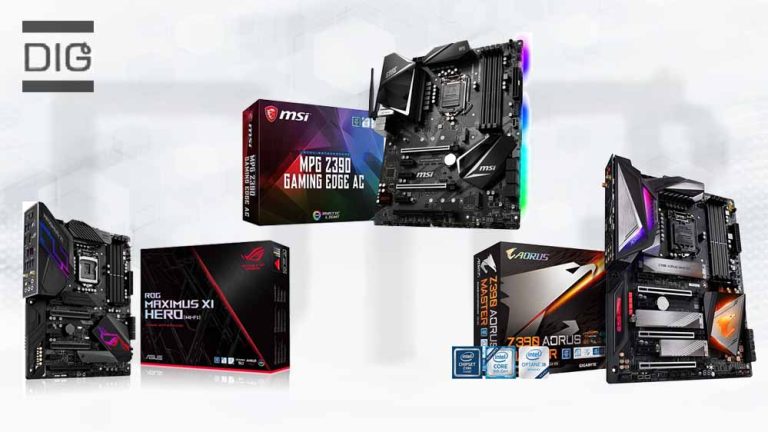
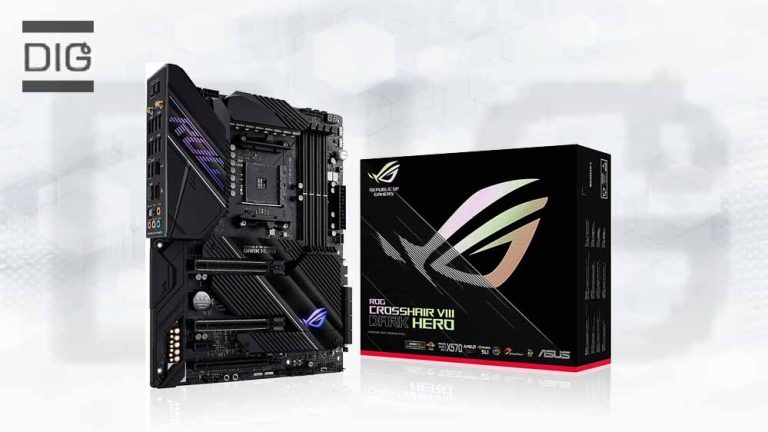
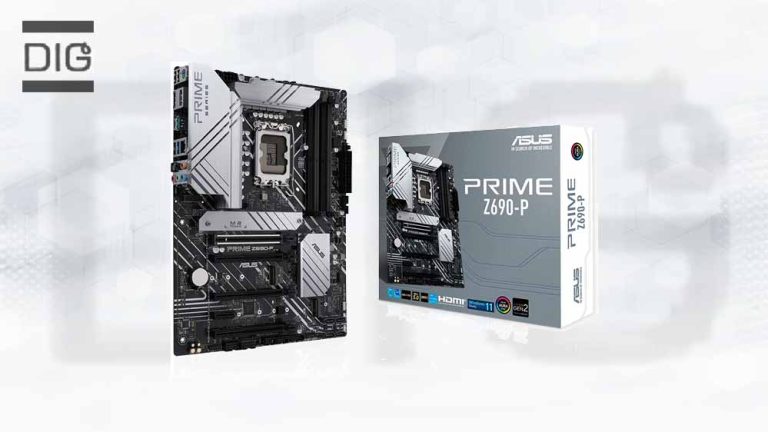
On the other hand, some high-end motherboards contain four or more PCIe slots, which indicates that they can accommodate four or more graphics processing units (GPUs). Have a look at these fantastic reviews of motherboards made by Intel and AMD.

How many Graphics Cards can a motherboard hold?
The typical mother board can support six or more graphics processing units (GPUs), however, this number is highly dependent on the number of PCIe slots it has.
Because of this, if you wish to add more than six GPUs to your system, you will need a new central processing unit (CPU), memory, storage, and motherboard. It is important to remember that the graphics card is responsible for the majority of the work; thus, you should invest in a high-quality model.
Do motherboard GPU restrictions exist?
Yes, there are GPU restrictions on motherboards. A maximum number of GPUs that may be utilised with their devices is often included by motherboard makers.
Although most motherboards only support two GPUs, some of them support three or even four. This cap was put in place primarily to avoid overclocking, which can make a system unstable and perhaps harm its components.
Although it is feasible to utilise more GPUs than what is advised, doing so is not advised since it might void your warranty and lead to issues in the future.
Can a motherboard impose a CPU GPU limit?
A motherboard’s effects on a CPU and GPU might vary greatly. While a motherboard can aid in controlling the power and performance of a CPU, a GPU may not always benefit from the same regulation.
In fact, it’s possible that you can overclock your GPU completely independent of the motherboard. As a result, while the motherboard might have an impact on the CPU in terms of how it controls power and performance, it often has less of an effect on the GPU.
How many GPUs can a motherboard handle, exactly?
The number of PCIe slots on the motherboard must be taken into account when estimating how many GPUs it can handle. Depending on the number of PCIe slots, a motherboard can often accommodate six or more GPUs. In other words, you’ll probably need to add another CPU, RAM, storage, and a motherboard for every additional six GPUs.
Though the majority of the work is done by the graphics card, the number of GPUs that can be supported ultimately depends on the motherboard’s capability.
Can I use two graphics cards on my motherboard?
In order to handle two graphics cards, your motherboard has to have two PCIe x16 slots. Not all PCIe x16 slots are made equal, it is crucial to remember this. You need two x16 slots that can operate in either the x8/x8 mode or the x16/x4 mode in order to run two graphics cards.
Do all GPUs have support on motherboards?
Nearly every motherboard that was launched in the past ten years is compatible with the majority of GPUs now on the market. However, it is always advisable to verify compatibility before making your purchase as technology develops.
Only if you want to get a dedicated GPU will you need to be concerned about compatibility.
What number of GPUs can Windows identify?
Naturally, both Nvidia and AMD are subject to Windows 8 GPU restrictions.
Can my motherboard accommodate more than one GPU?
A crucial aspect to consider when figuring out whether a motherboard can handle multiple GPUs is the PCIe slot. Dual graphics cards must be supported by two PCIe x16 slots on the motherboard. But just because a motherboard has two PCIe x16 slots does not automatically indicate that it can support two graphics cards.
Dual GPUs must be set up appropriately in the BIOS and other software for them to function together without any problems.
Before buying any additional gear, it is important to ask the manufacturer or reseller if you are unclear whether your motherboard can handle multiple GPUs.
Do all GPUs have support on motherboards?
Nearly every motherboard from the past ten years is compatible with the great majority of current GPUs. It is usually advisable to err on the side of caution and make sure your graphics card is compatible before making a purchase, though, as with any issue with technical compatibility.
This is particularly crucial if you want to purchase a dedicated GPU rather than using the integrated graphics that are included as standard on the majority of motherboards.
Why Use Several GPUs
There may be certain special advantages to a motherboard with two or more GPUs. A PC and motherboard with several GPUs can deliver much greater performance and superior video graphics. The games may also be played on a computer at greater resolutions thanks to the availability of numerous graphic cards. The costs of having an additional GPU on a computer are definite. You may always invest in more GPUs if you have the money since they will enhance your computing experience. For some tasks, like mining, more GPUs and more potent processors and PCs are already in use.
However, you do not require a computer with several graphic cards if you do not mine cryptocurrencies or play video games on it. Having two or more GPUs would be a waste of effort and money in this situation because there would be no performance difference. Additionally, if a motherboard is incompatible with several GPUs, it might not be able to support them. In order to support numerous cards, you might also need to update your motherboard. If you don’t want a higher performance, it wouldn’t be necessary and would only raise the expenditure more.
Can a PC accommodate three GPUs?
If you want to upgrade your computer’s graphics card to accommodate two more displays, you can do so as long as the new GPU is distinct from the ones that are already utilised in your SLI arrangement and as long as it is NVIDIA PhysX compatible. Just keep in mind that installing a second graphics card can affect your system’s performance as a whole.
How many GPUs may be used simultaneously?
Theoretically, a machine with eight GPUs can fit in a 5U chassis, and a 42U rack could hold about 256 such workstations. This is not the most compact layout, though; different arrangements may fit more GPUs into the same amount of room.
How can I use a single motherboard to operate several GPUs?
It is really pretty easy to integrate numerous GPUs into a single motherboard. Start the computer by first connecting the display connected to any GPU on the motherboard. Don’t worry if you don’t see a display; just switch the display wires between several GPUs to check which one works.
Once you see a display, continue with the computer’s startup. Remember that you’ll need adequate electricity to run all of your GPUs if you’re utilising more than one. Before continuing, make sure your power source is adequate for the job.
To achieve the best performance, you might also need to install drivers for each particular GPU.
How many GPUs can the Motherboard support?
Depending on the type of GPU, the system form factor, and the rack size, a computer can have a maximum number of GPUs. For instance, a desktop computer may install a full-size GPU, but a smaller form factor system can only support one or two GPUs. Eight 5U systems may fit in a 42U rack, resulting in 256 GPUs per rack.
Can GPUs be combined?
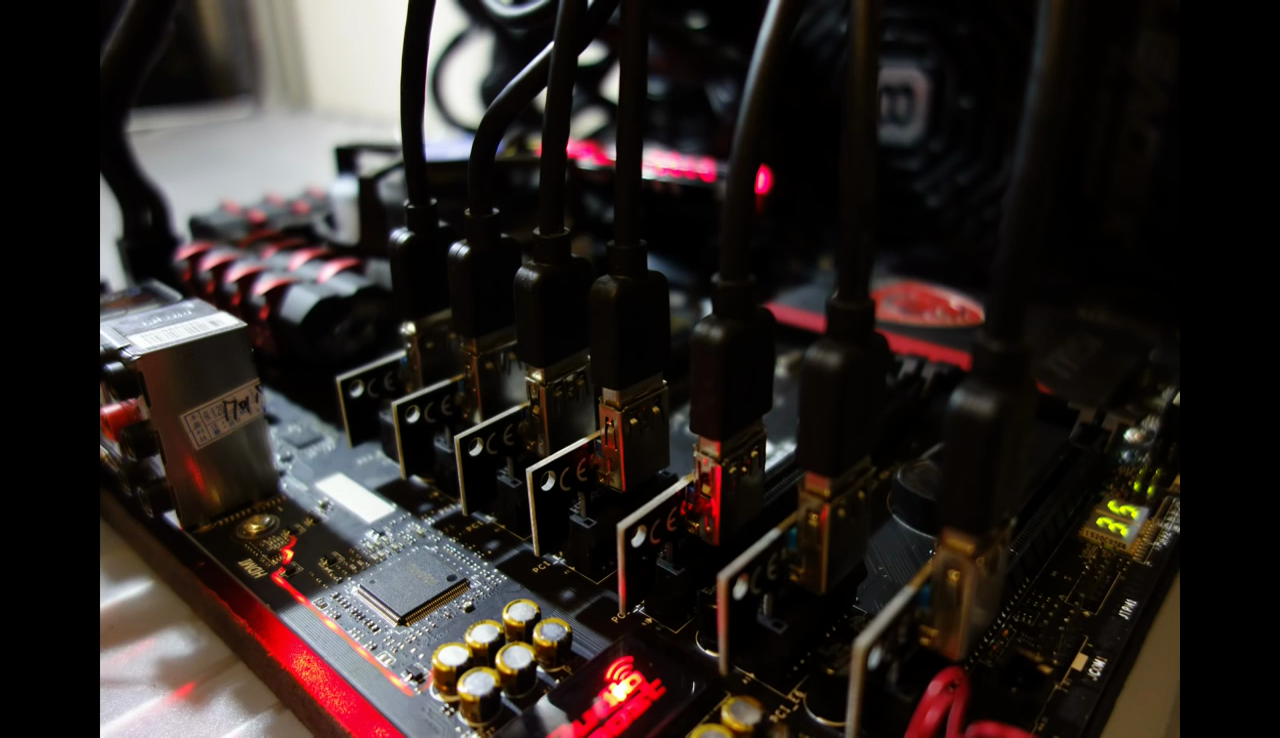
Can you combine GPUs when mining cryptocurrencies? This is one of the most often asked topics. Yes, you may combine GPUs from several manufacturers on the same machine to mine cryptocurrency.
Before doing so, there are a few things to consider. The first need is that your motherboard support two GPUs. The second thing you must do is make sure your computer has enough airflow and power to support dual GPUs.
Last but not least, it’s crucial to remember that utilising different GPUs may lead to worse overall performance than using equivalent models from the same manufacturer.
So, even if you decide to mix and match GPUs, you can still mine cryptocurrencies profitably. Just be conscious of any potential drawbacks and take them into account while making your choice.
How many GPUs can a motherboard handle, exactly?
You need to consider a number of different aspects in order to figure out how many GPUs a motherboard can handle. The number of PCIe slots on the motherboard is the first factor. Since the majority of motherboards have at least six PCIe slots, they may conceivably accommodate up to six GPUs.
It’s crucial to remember, though, that not every motherboard is made equal, and some can feature more or less PCIe slots than six. The CPU is another thing to take into account.
You will also need to add another CPU if you wish to expand your system beyond six GPUs. The amount of memory and storage that a motherboard can support is another key factor.
The manufacturer or reseller should be consulted to find out how many GPUs your specific motherboard can accommodate.
One motherboard can handle how many GPUs?
The motherboard and the graphics card are what determine the response to the query. Six GPUs may often be supported by a motherboard, however, the actual number depends on the PCIe slots.
You will require an additional CPU, RAM, storage, and motherboard for every additional six GPUs.
What number of GPUs can the motherboard accommodate?
The truth is that the motherboard can often accommodate six GPUs or more depending on the PCIe slots, but the graphics card actually does most of the work. In other words, you need to add an additional CPU, RAM, storage, and motherboard for every additional six GPUs.
So, for example, if you were to build a system with twelve GPUs, you would also want two CPUs, four RAM modules, a lot of storage space, and two motherboards.
Can I mine with more than one GPU?
Even though cryptocurrency can be mined using a CPU, a GPU is preferred since it increases profits. You may connect up to 9 GPUs for GPU crypto mining, compared to just two CPUs for CPU mining unless they are virtual CPUs.
Can multiple GPUs work together?
Your computer might benefit greatly from the addition of a second graphics card, especially if you’re using demanding software or playing games. Both AMD and Nvidia offer programmes that let two graphics cards communicate with one another. Utilizing two graphics cards has certain benefits and drawbacks, though.
Enhanced visual, 3D, and game performance are some advantages. There are certain disadvantages to take into account, too, including potential compatibility problems and the fact that two cards would produce more heat than one.
Consider the benefits and drawbacks carefully before deciding whether to add a second graphics card to your computer.
Can three GPUs run at once?
To connect more displays, it is feasible to install a second or third graphics card on your computer. You’ll be able to use numerous displays with your computer and benefit from the potential boost in productivity that this may provide.
You must make sure that the additional graphics card(s) you are installing are NVIDIA PhysX capable (GeForce 8 series or above) and have at least 256MB of RAM in order to accomplish this.
It’s also crucial to remember that the SLI GPUs must be distinct from the ones you now use.
How many max GPU can the motherboard support?
The truth is that the motherboard can often accommodate six GPUs or more depending on the PCIe slots, but the graphics card actually does most of the work. In other words, you need to add an additional CPU, RAM, storage, and motherboard for every additional six GPUs.
However, you should be able to use just about any current motherboard if you want to combine two of the best graphics cards with an equally potent processor.
Is it worth the cost to have multiple GPUs?
Your PC needs Nvidia or AMD technology if you want to use two graphics cards. These technologies are very important because they let the cards work together to make a single output. The solution from Nvidia is called “SLI,” and the solution from AMD is called “CrossFire.” Now, for both of these solutions, you need a motherboard that works with GPUs and has the right PCI slots.
You can find a motherboard with most PCI slots, but the question is whether it’s worth the trouble. Well, yes, it’s definitely worth it, especially for PC gaming and mining. When you have more than one GPU, performance and video graphics are better. With two graphics cards, you can play games at higher resolutions.
One bad thing about using multiple GPUs is that it costs money. If you know anything about GPUs, you know that they are pretty pricey, and if you want to add more to your system, it will, of course, cost you a lot of money. So you shouldn’t choose it unless you have the money for it. If not, that’s a big NO.
If you don’t use your PC for mining or video games, using two graphics cards is a waste of time and money because it won’t make a difference in how well it works.
How Do I Know If A Graphics Card Is Compatible?
how to find out if a graphics card will work

Almost all PCs, even ones with 8 GPUs, have expansion slots on the motherboard. Usually, you get a PCI Express slot, but you need a PCI Express x16 slot for a graphics card. For example, a PCI Express 3.0 graphics card will work with a motherboard that has a PCI Express x16 2.0 slot.
If your motherboard can handle two graphics cards, you should usually use the slot on top if you only have one. In general, the rule is that you should check with the motherboard’s maker to see if it can handle more than two graphics cards.
F.A.Q
Does having two GPUs make the computer run faster?
Yes, using 2 GPUs can make a difference in how well your PC runs, but only for people who need to use their computers for gaming or mining. Overall, if you just use your PC to browse the web, you don’t need two GPUs because it won’t make much of a difference.
How do I use both GPUs at the same time?
Insert the first video card into the slot on the motherboard and gently push it down until you hear a snap. The end of the card has a metal plate that you can screw with the screwdriver if you need to. Now, do the same thing with the second video card. Then, if the power connectors for each card are separate, connect power to either one or both of the cards.
Does CrossFire Make Sense?
CrossFire and SLI don’t make much sense for most users. If you’re using a standard 1440P monitor, choosing CrossFire won’t change anything and will just be a waste of your money.
Can a GPU overwhelm a motherboard?
Yes, you need to make sure that your GPU is compatible with your motherboard. Even a small difference or incompatibility won’t work here.
Can a Motherboard slow things down?
The gaming performance is not just down to the motherboard. But if you overclock your motherboard in its BIOS, it can help boost the performance of your PC as a whole. You should know that you can only overclock on some motherboards, and that can also be done through the BIOS interface. Overall, the motherboard of your PC can’t really slow it down.

A passionate tech enthusiast with a deep focus on PC hardware, gaming rigs, and performance tuning, Bertine Gaynor has spent years exploring the latest innovations in processors, GPUs, and custom builds. On DigitalUpbeat.com, he shares hands-on reviews, performance breakdowns, and expert insights to help readers make smart hardware choices. When not testing components, he’s often optimizing setups for peak efficiency or diving into the latest tech trends shaping the future of computing.