
Book Appointment Now

Best Gaming Laptops Under 1000
Best Gaming Laptops Under $1000 (2026 Edition): Ultimate Buying Guide
At the moment I’m going to show you the best gaming laptops under $1000. We analyzed practically every available gaming laptop under $1000 on the market. In this guide, you’ll find affordable gaming laptops that offer impressive graphics, smooth frame rates, and excellent audio. The best part? All that without worrying about lag or heating issues. So without further ado, here are the best gaming laptops under $1000 in 2026.
The world of computers has come a long way from the time when gaming laptops cost the moon and a handful of glittering stars. Today, you can lay your hands on budget gaming devices that fuel powerful play without requiring you to break the bank. Many game-friendly laptops in a comfortable and easy-to-use form factor now come in at under $1000; by no means are these machines shoddy or driven by patchwork. Instead, they offer an attractive alternative to the computers on the other end of the spectrum.
When gaming laptops were first introduced, they were met with considerable suspicion and apprehension. Gaming was such a CPU-draining activity. Could laptops ever be powerful enough to support gameplay without frustrating lags and cumbersome breakdowns? With time, however, not only have gaming laptops proved their mettle, but they have also become more affordable. Today, it’s possible to find budget gaming laptops that come in at around $1000 but offer the complete pro-game paraphernalia, including the latest NVIDIA RTX 50-series graphics cards and high-refresh-rate displays.
What to Look for in a Gaming Laptop Under $1000 (2026 Buyer’s Guide)
When shopping for an affordable gaming laptop under $1000, the first thing to consider is the graphics card. It’s the graphics card that will make or break your next gaming notebook. I like to classify the graphics cards found in gaming laptops in three groups:
The Three Types of Graphics Cards
Integrated Graphics: Some “gaming” laptops have integrated graphics cards. They aren’t really gaming laptops, but they are in some cases marketed as laptops for gaming. With an integrated graphics card, the gaming performance is terrible. To spot an integrated graphics card, look at the specs for the terms integrated or the Intel HD series of graphics cards, or the Radeon R series. Avoid these at all costs—they are not meant for gaming.
Outdated Graphics Cards: What’s an acceptable component in a gaming laptop is constantly changing. Examples of outdated graphics cards are the Nvidia 9XX series or even the RTX 30-series. While they may work fine for older titles, they lack critical features like DLSS 4 Multi-Frame Generation found in RTX 50-series cards. We recommend avoiding anything older than RTX 40-series in 2026.
Current-Generation Cards: The graphics cards I recommend in a gaming laptop under $1000 are the NVIDIA GeForce RTX 5050, RTX 5060, and RTX 4050/4060 (if found on sale). The RTX 50-series (released in early 2025) offers significant performance improvements and support for DLSS 4, which can dramatically boost frame rates in supported games. The RTX 4050 and 4060 from the previous generation remain excellent choices when discounted.
Key Specifications to Prioritize
- GPU (Graphics Card): Aim for at least an RTX 5050 or RTX 4050. For the best performance, target the RTX 5060—it delivers roughly 40% better performance than the RTX 5050 in benchmarks. Pay attention to the TGP (Total Graphics Power); higher wattage means better performance. Look for models with at least 75W TGP for RTX 4060-class cards.
- Display: You want a Full HD (1920×1080 or 1920×1200) IPS panel with at least a 144Hz refresh rate. Higher refresh rates (165Hz-180Hz) provide smoother gameplay. Color accuracy matters too—look for 100% sRGB coverage if you do any content creation.
- RAM: 16GB is the minimum standard in 2026 for smooth gaming and multitasking. Ensure the RAM is dual-channel (two sticks) for optimal performance. Many laptops offer upgradeable RAM, which is a valuable feature.
- Storage: A 512GB NVMe SSD is the baseline, but 1TB is strongly recommended given modern game sizes (many AAA titles exceed 100GB). Look for laptops with an extra M.2 slot for future upgrades.
- Processor (CPU): Look for AMD Ryzen 5 240/7 250 or Intel Core i5-13420H/i7-13620H. AMD’s Ryzen chips often offer better battery life, while Intel provides competitive gaming performance. The differences at this price point are minimal.
- Build Quality & Cooling: Check for dual-fan designs, multiple heat pipes, and adequate venting. MIL-STD-810 certification indicates better durability for travel.
Before heading out to buy a gaming companion, your wallet slightly fidgety in your pocket, we recommend you analyze and weigh your options carefully.
Pro Tip: Don’t overlook the importance of checking the specific model’s TGP (Total Graphics Power) before buying. An RTX 4060 with a 140W TGP will significantly outperform the same GPU limited to 75W. This specification is often buried in reviews rather than listed on retailer pages.
Our Picks: Best Gaming Laptops Under $1000 (2026)
After extensive research, benchmarking, and analysis of top publications including WIRED, PCMag, and IGN, these are the best gaming laptops under $1000 available right now.
1. Lenovo LOQ 15 AMD Gen 10 – Best Overall Gaming Laptop Under $1000
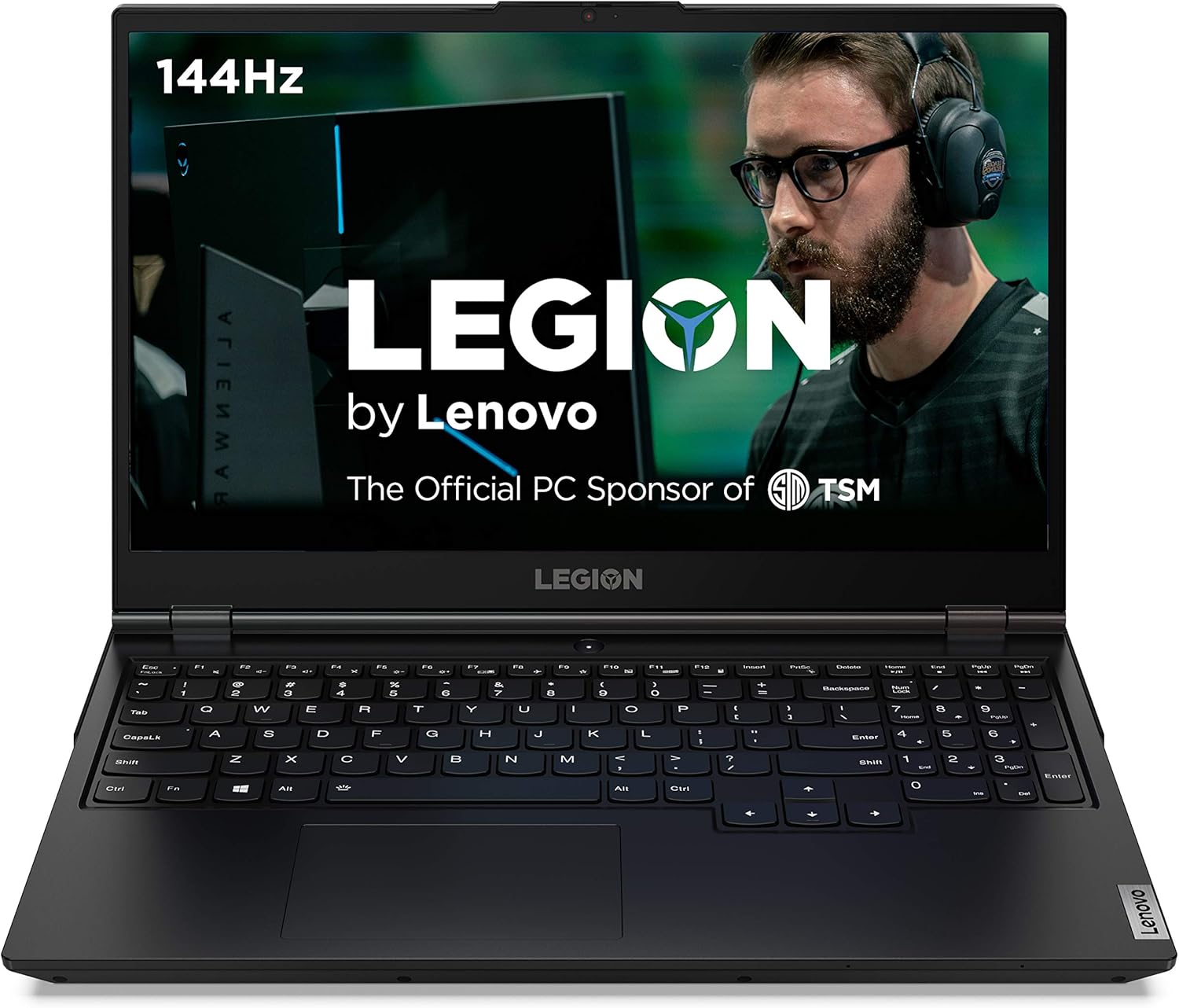
The Lenovo LOQ 15 has emerged as the undisputed king of sub-$1000 gaming laptops in 2026. WIRED calls it “the best gaming laptop you can buy under $1,000,” and for good reason. This laptop delivers the NVIDIA GeForce RTX 5060 GPU with full 115W power delivery, paired with an AMD Ryzen 7 250 processor and 16GB of DDR5 RAM. The result is exceptional 1080p gaming performance.
What truly sets the LOQ 15 apart is its 15.6-inch 144Hz IPS display that covers 100% of the sRGB color space and reaches 347 nits of brightness—something almost unheard of at this price point. Most budget gaming laptops skimp on screen quality, but Lenovo delivers a panel that’s suitable for both gaming and content creation. The keyboard features 1.5mm of travel with a snappy, precise feel, and the chassis is thick but rock-solid.
Pros: Excellent RTX 5060 performance, outstanding display quality (100% sRGB), solid build quality, upgradeable RAM and storage, great keyboard feel.
Cons: Thick and heavy (over 5 lbs), 16:9 aspect ratio means large bottom bezel, battery life is mediocre (under 9 hours video playback).
2. Acer Nitro V 16 AI – Best 16-Inch Display & Value
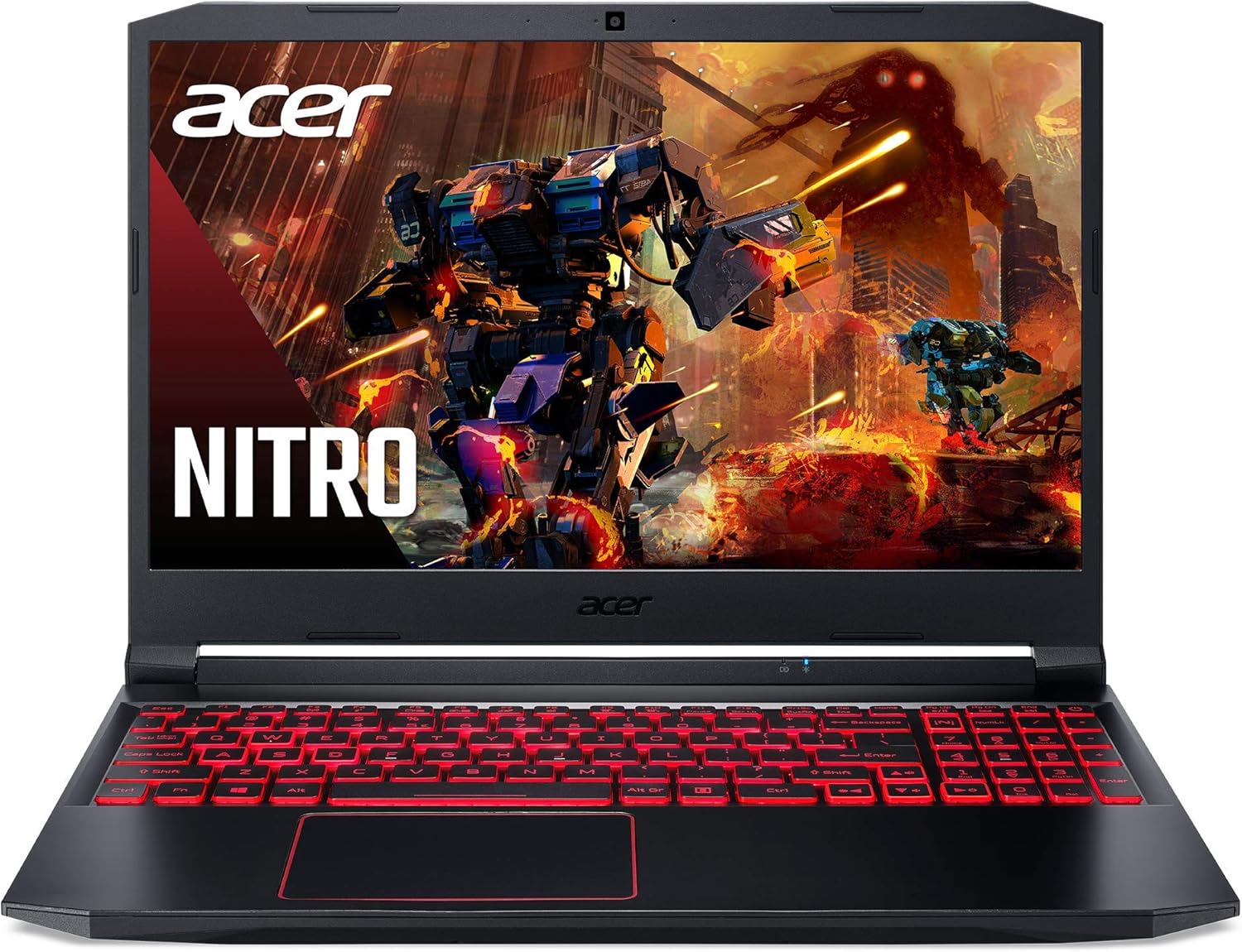
The Acer Nitro V 16 AI offers a compelling alternative with its larger 16-inch 180Hz display in a modern 16:10 aspect ratio. Powered by an AMD Ryzen 5 240 processor and RTX 5050 graphics, this machine delivers smooth 1080p gaming at a price that frequently dips below $800 on sale. PCMag notes it as the best big-screen budget gaming laptop for its impressive battery life and affordable price.
The standout feature is the 180Hz refresh rate display—higher than most competitors at this price point—providing ultra-smooth motion in fast-paced games. Battery life is exceptional for a gaming laptop, lasting over 12 hours in video playback tests, making it a solid choice for students who need to carry their laptop between classes. The chassis is sturdy, and the keyboard is genuinely usable for gaming.
Pros: Large 16-inch 16:10 display with 180Hz refresh, excellent battery life (12+ hours), very affordable price, modern aspect ratio with slim bezels.
Cons: Display color accuracy is poor (washed-out colors), RTX 5050 is less powerful than RTX 5060, limited port selection.
3. MSI Katana 15 HX – Best Intel RTX 50-Series Option
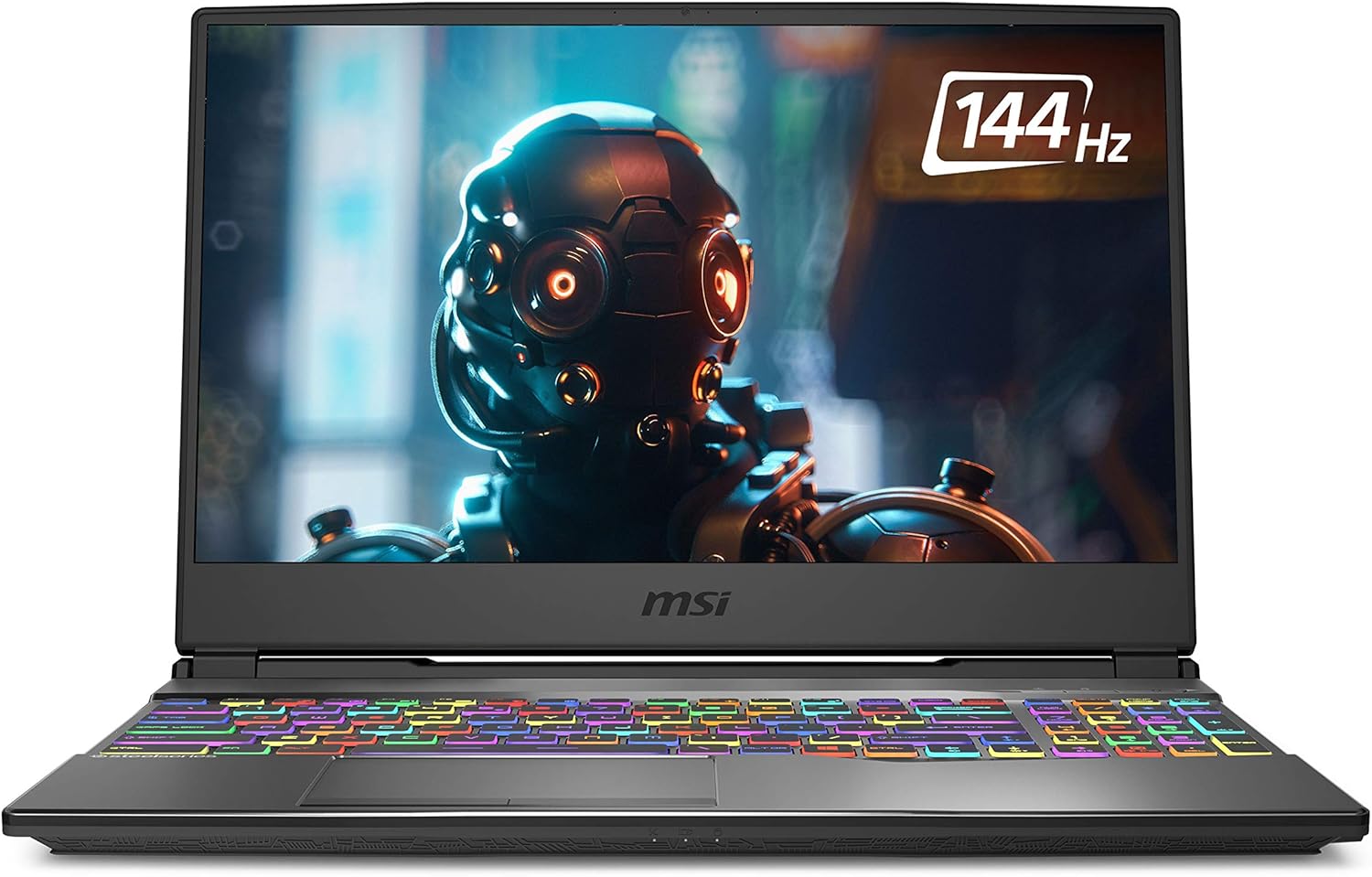
The MSI Katana 15 HX is PCMag’s top pick for best budget gaming laptop, featuring an Intel Core i7-14650HX processor paired with an NVIDIA GeForce RTX 5050 GPU. This combination delivers solid 60fps-plus gaming at 1080p, with DLSS 4 providing additional frame rate boosts in supported titles. The 15.6-inch 144Hz IPS display offers smooth visuals, while the RGB backlit keyboard adds a nice touch of gaming flair.
MSI’s cooling system includes multiple heat pipes and dedicated fans to keep thermals in check during extended gaming sessions. With 8 hours of battery life for general use, it’s reasonably portable for a gaming laptop. The Katana 15 HX also features Wi-Fi 6E for fast, stable online gaming connectivity.
Pros: Strong Intel HX-series CPU performance, good 144Hz display, RGB keyboard with decent key feel, Wi-Fi 6E support, respectable battery life.
Cons: RTX 5050 lags behind RTX 5060 in performance (about 40% slower in benchmarks), fan noise under load, plasticky build.
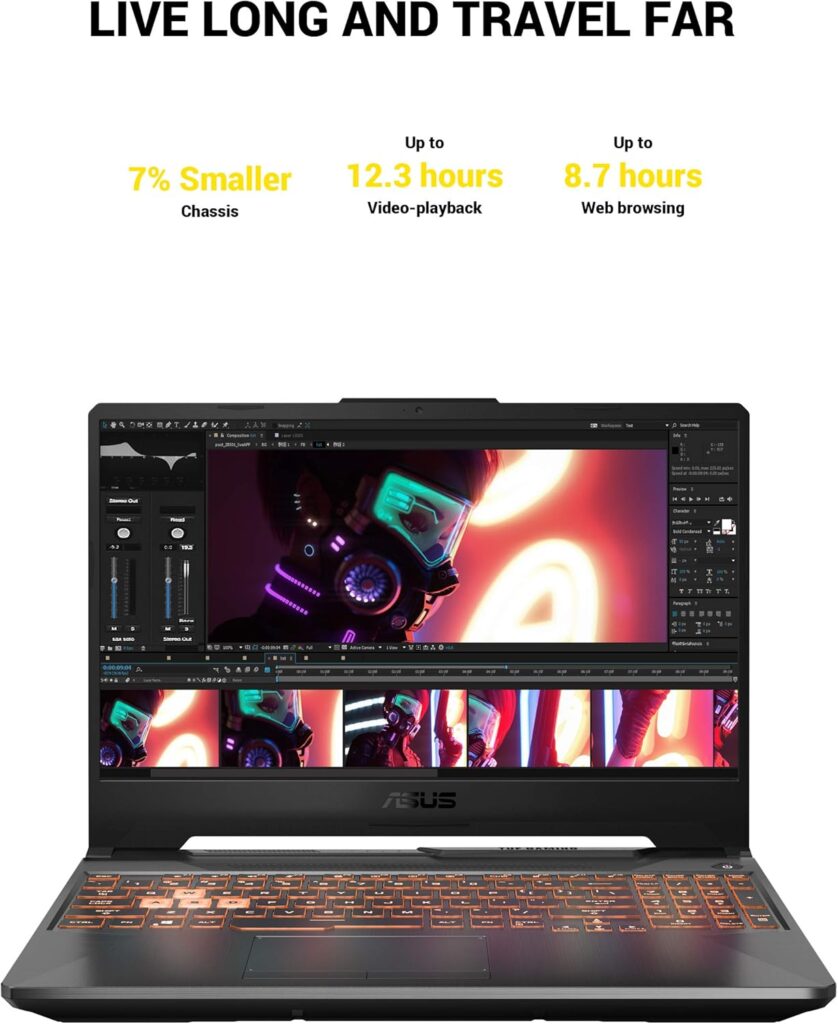
4. ASUS TUF Gaming A15 – Best RTX 4060 Performance (Previous Gen Value)
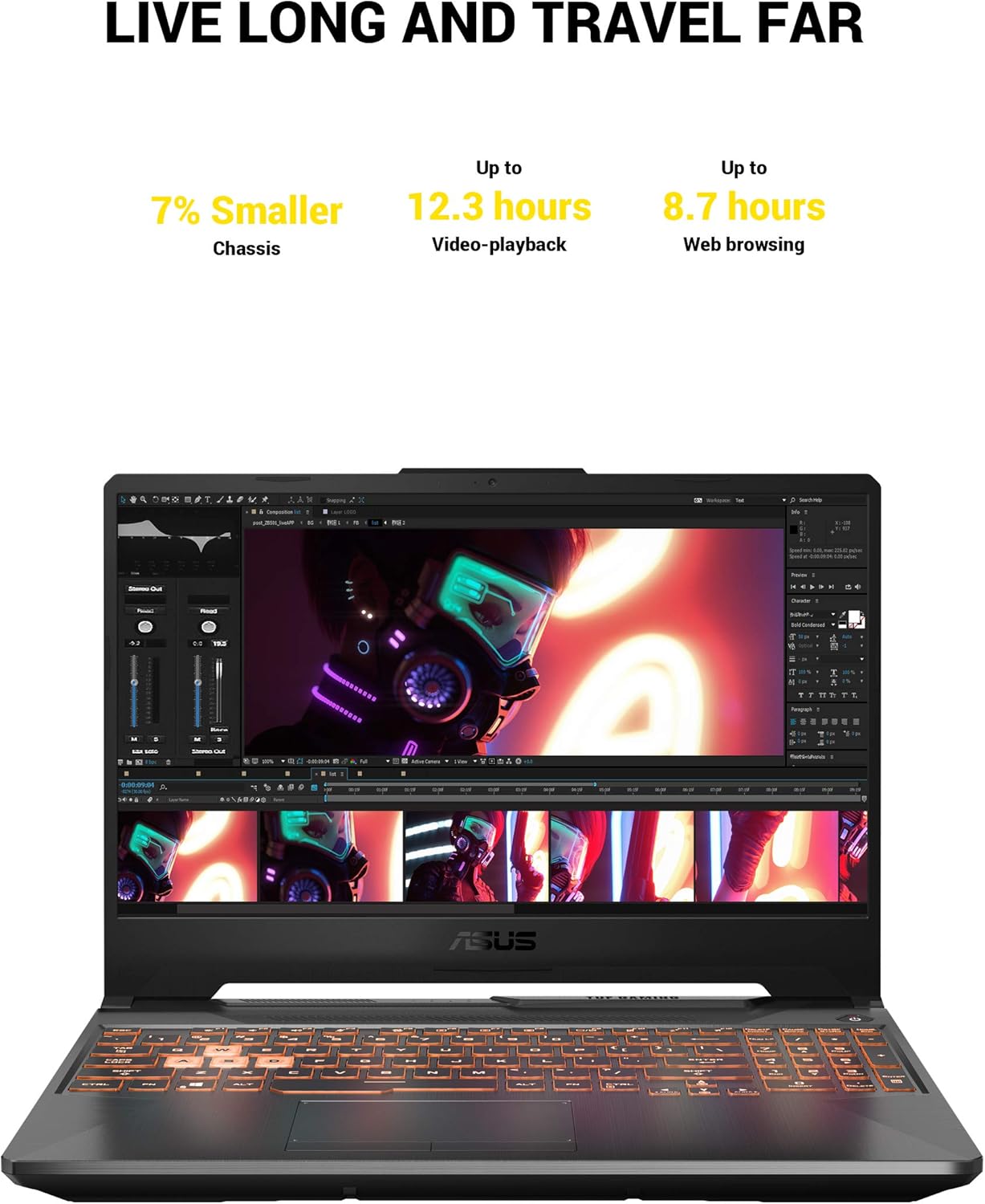
The ASUS TUF Gaming A15 remains an excellent value in 2026, particularly for those who can find the RTX 4060 model on sale. Powered by an AMD Ryzen 7 7735HS and NVIDIA GeForce RTX 4060 with 140W TGP, this laptop offers outstanding gaming performance that rivals newer RTX 5050 models. The 15.6-inch 165Hz display with 100% DCI-P3 color coverage is exceptional at this price point.
The TUF A15 features MIL-STD-810H military-grade durability, anti-dust cooling technology, and a 90Wh battery that delivers solid battery life. While it uses the previous-generation RTX 4060, the high TGP means it often outperforms lower-wattage RTX 5050 laptops. For AMD fans seeking the best possible GPU performance under $1000, this is an excellent choice.
Pros: Powerful RTX 4060 with full 140W TGP, excellent 165Hz display with 100% DCI-P3, military-grade durability, good battery life, upgradeable RAM and storage.
Cons: Previous-generation GPU (though still competitive), heavier than competitors, soldered RAM in some configurations.
5. MSI Cyborg A15 – Best Slim Design with RTX 5060
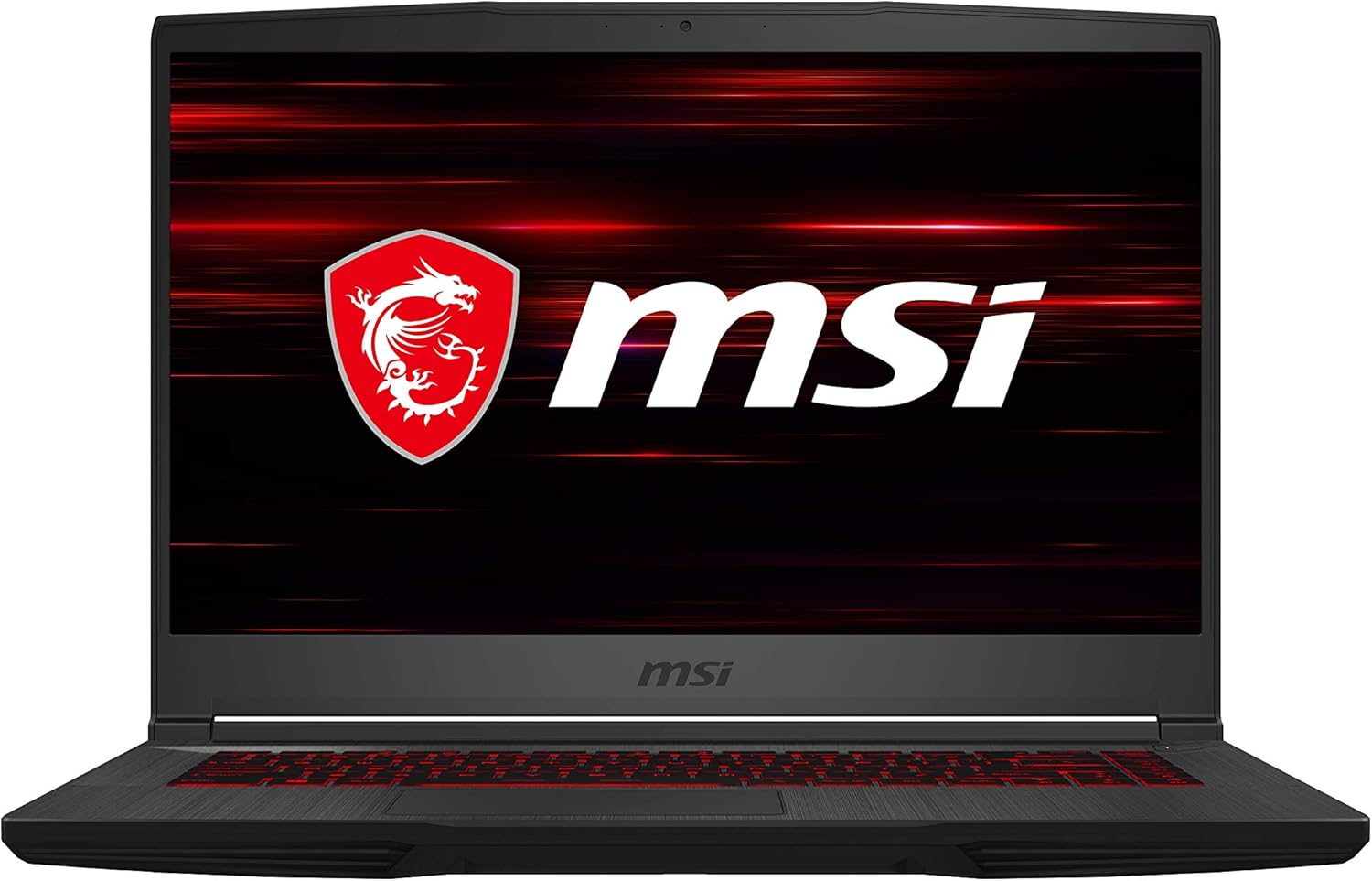
The MSI Cyborg A15 is one of the few RTX 5060 laptops available under $1000, making it an attractive option for those who prioritize GPU performance. It features a slimmer, more portable chassis than many competitors, weighing less and occupying less desk space. The AMD Ryzen 5 240 or Ryzen 7 250 processor pairs with the RTX 5060 to deliver solid gaming performance, though the LOQ 15 generally outperforms it due to better display quality.
The Cyborg A15 includes a 144Hz IPS display, 16GB of RAM, and upgradeable storage options. Its three-zone RGB backlit keyboard adds gaming aesthetics, and the chassis design is more modern and portable than bulkier alternatives. Battery life is decent for a gaming laptop with this level of performance.
Pros: RTX 5060 graphics at a competitive price, slim and portable design, three-zone RGB keyboard, good connectivity options.
Cons: Display quality is inferior to Lenovo LOQ 15 (poor color accuracy), 720p webcam, fewer USB ports than competitors.
6. HP Victus 16 – Best Budget Option for Upgraders
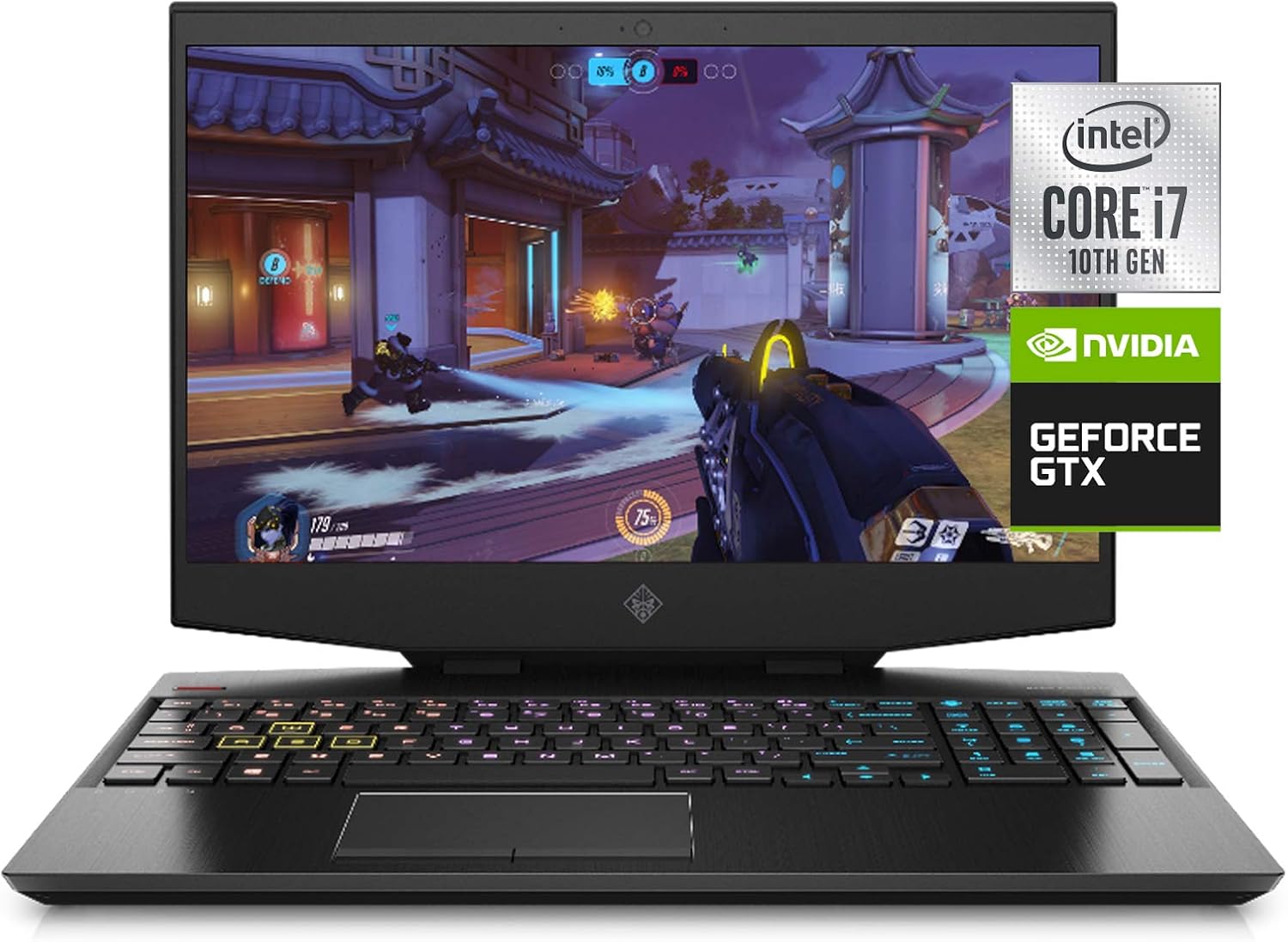
The HP Victus 16 is an excellent choice for budget-conscious gamers who don’t mind doing their own upgrades. Starting at well under $1000, this laptop can be configured with an RTX 4050 GPU and AMD Ryzen 7 processor, then upgraded with additional RAM and storage later. The 16.1-inch 144Hz display offers a larger screen area than 15.6-inch models, and the keyboard is among the best in its class for typing comfort.
With up to 12 hours of battery life for general use, the Victus 16 is practical for students and professionals who need a single machine for both gaming and productivity. The chassis is well-built for the price point, and the port selection is generous. It’s an ideal choice for those willing to spend a little time upgrading components to get the most value.
Pros: Very affordable starting price, excellent keyboard ergonomics, large 16.1-inch display, great battery life, easy upgradeability.
Cons: RTX 4050 is entry-level, base models have limited storage/RAM, display brightness could be better.
7. Medion ERAZER Deputy P60i – Best European Market Pick
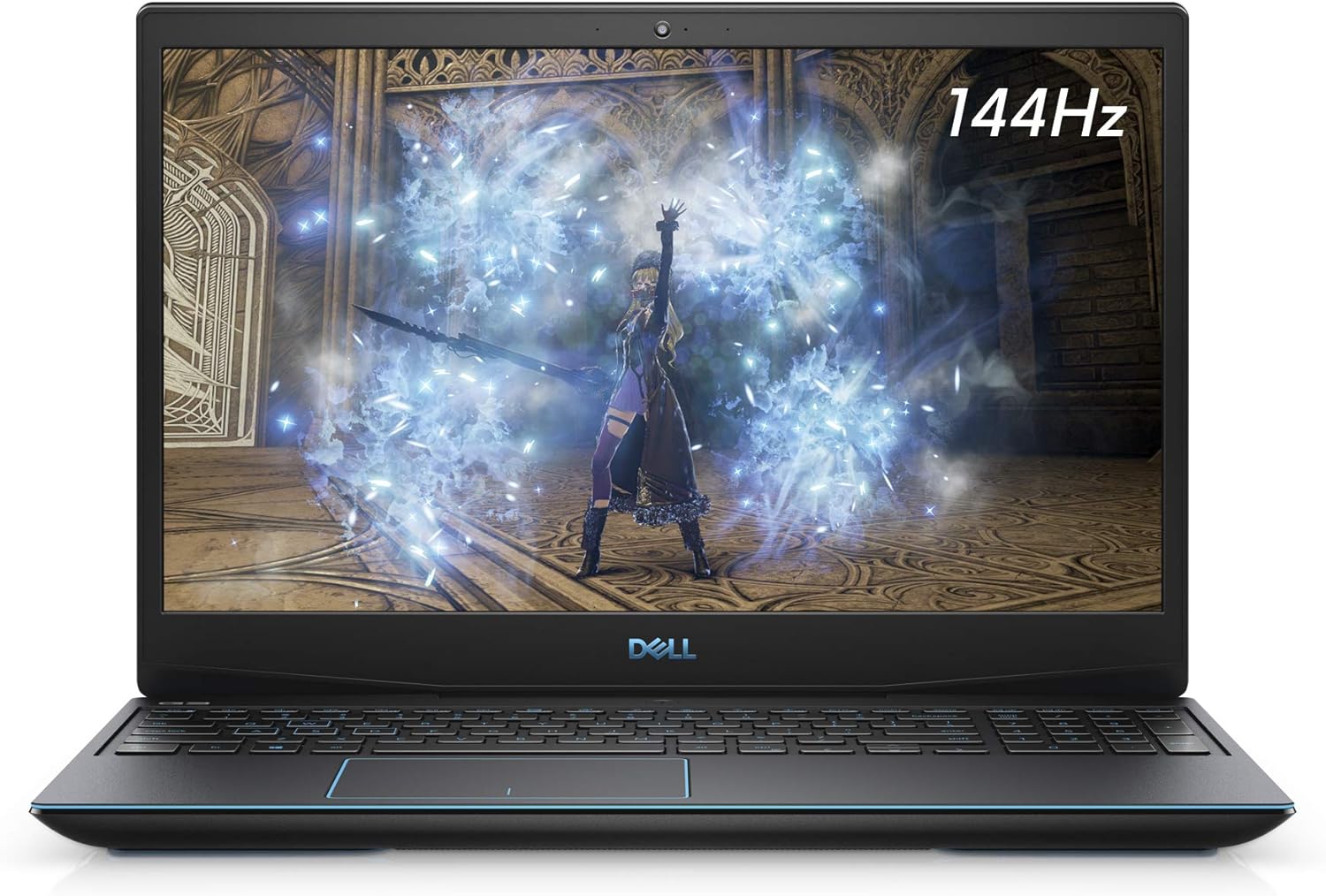
The Medion ERAZER Deputy P60i is a standout option for European buyers, offering excellent value with an Intel Core i7-13620H processor and NVIDIA GeForce RTX 4060. HardwareDealz rates it as the best price-to-performance gaming laptop in the €1000 category. The 15.6-inch 144Hz anti-glare IPS display provides smooth visuals, while the 1TB SSD offers ample storage for modern game libraries.
This laptop features 16GB of DDR4 RAM (upgradeable to 32GB) and an additional M.2 slot for storage expansion. The cooling system handles thermal loads well, and the port selection includes USB-C, HDMI, and Mini DisplayPort for external monitor connectivity. At 2.25kg, it’s reasonably portable for a gaming machine.
Pros: Excellent price-to-performance ratio, RTX 4060 with decent TGP, 1TB SSD included, upgradeable RAM and storage, good port selection.
Cons: Limited availability outside Europe, DDR4 RAM instead of DDR5, plastic chassis construction.
Gaming Laptops Under $1000: Comparison Table
| Model | CPU | GPU | Display | RAM/Storage | Battery | Weight |
|---|---|---|---|---|---|---|
| Lenovo LOQ 15 | AMD Ryzen 7 250 | RTX 5060 (115W) | 15.6″ 144Hz IPS (100% sRGB) | 16GB / 512GB | ~9 hrs | 5.1 lbs |
| Acer Nitro V 16 | AMD Ryzen 5 240 | RTX 5050 | 16″ 180Hz IPS (16:10) | 16GB / 512GB | 12+ hrs | 5.38 lbs |
| MSI Katana 15 HX | Intel i7-14650HX | RTX 5050 | 15.6″ 144Hz IPS | 16GB / 512GB | 8 hrs | 5.29 lbs |
| ASUS TUF A15 | AMD Ryzen 7 7735HS | RTX 4060 (140W) | 15.6″ 165Hz (100% DCI-P3) | 16GB / 1TB | ~7 hrs | 5.07 lbs |
| MSI Cyborg A15 | AMD Ryzen 5/7 | RTX 5060 | 15.6″ 144Hz IPS | 16GB / 512GB | ~6 hrs | 4.85 lbs |
| HP Victus 16 | AMD Ryzen 7 8845HS | RTX 4050 (125W) | 16.1″ 144Hz IPS | 16GB / 1TB | 12+ hrs | 5.06 lbs |
Performance Comparison: Gaming FPS Benchmarks (1080p)
Based on WIRED’s testing methodology across multiple gaming laptops, here’s how the leading models compare in real-world gaming performance:
| Game / Benchmark | Lenovo LOQ 15 (RTX 5060) | Acer Nitro V 16 (RTX 5050) | MSI Cyborg A15 (RTX 5050) |
|---|---|---|---|
| Cyberpunk 2077 (Ultra) | 91 fps | 53 fps | 52 fps |
| Cyberpunk 2077 (Medium) | 113 fps | — | — |
| Marvel Rivals (Ultra) | 51 fps | 37 fps | 34 fps |
| Black Myth: Wukong (Cinematic) | 34 fps | 22 fps | 20 fps |
| Monster Hunter: Wilds (Ultra) | 54 fps | 40 fps | 36 fps |
| 3DMark Steel Nomad | 2701 | 2063 | 1619 |
Warning: The RTX 5060 delivers approximately 40% better performance than the RTX 5050 in synthetic benchmarks. If your budget can stretch to include an RTX 5060 laptop like the Lenovo LOQ 15, the performance uplift is substantial and will provide better longevity for demanding future titles.
Investing in a Gaming Laptop May Be the Right Decision for You If:
- You are passionate about gaming but watching your budget. Many laptops in this space, especially by major brands like MSI, Asus, and HP, offer an enormous chunk of features from backlit keyboards to premium design.
- You are looking for a portable gaming computer. Several budget gaming notebooks weigh in the range of 4–5 lbs, which makes them easy to lug along. They also come with other features to boost portability.
- You are comfortable playing at low to medium settings. While many laptops in this league are driven by top-notch processors and have ample storage space, they may not provide a 144Hz refresh rate or 4K display. You may need to stint on some settings.
- You want to use your laptop as a multi-purpose machine for activities like multimedia editing, watching a film, working on school assignments, or an office computer.
- You want to upgrade as you go. Some budget gamers come with the ability to upgrade the specs such as the RAM and storage. The advantage is that you don’t have to pay a lot upfront but can get a more powerful configuration later.
- You want to keep your options open to accommodate innovations in the gaming environment. If you prefer to wait and invest in a fancier gaming laptop later, a budget laptop may be your best bet for the present.
Investing in a Gaming Laptop: Pros and Cons
Pros of Budget Gaming Laptops
- Excellent value for money – Modern sub-$1000 gaming laptops offer performance that would have cost $1500+ just a few years ago.
- Portability – Take your gaming library anywhere, unlike a desktop PC.
- Upgradeability – Many models allow easy RAM and SSD upgrades to extend lifespan.
- DLSS technology – RTX GPUs can leverage DLSS to boost frame rates in supported games significantly.
- Multi-purpose use – These laptops handle productivity, schoolwork, and content creation alongside gaming.
Cons of Budget Gaming Laptops
- Shorter battery life – Even the best models only last 2-3 hours during actual gaming.
- Heavier and thicker – Budget gaming laptops typically weigh 5+ lbs and are over 0.9 inches thick.
- Display compromises – While improving, many budget models still have poor color accuracy.
- Fan noise – Cooling systems can get loud under heavy gaming loads.
- Build quality – Plastic chassis are common, though some models feature metal construction.
Pro Tip: If you’re comfortable with basic hardware installation, consider buying a base model with 8GB RAM and 512GB storage, then upgrading to 16GB RAM and adding a second SSD yourself. This often saves $100-$200 compared to pre-configured models.
Frequently Asked Questions (FAQ)
Q: Can I play AAA games like Cyberpunk 2077 on a gaming laptop under $1000?A: Absolutely. With an RTX 5060 laptop like the Lenovo LOQ 15, you’ll get 91 fps at Ultra settings (1080p) in Cyberpunk 2077. Even RTX 5050 models deliver playable 50-60 fps at medium settings. DLSS and frame generation provide additional performance boosts.
Q: Is the RTX 5060 worth the extra cost over the RTX 5050?A: Yes, the performance gap is substantial—around 40% faster in 3DMark benchmarks. For demanding games and future-proofing, the RTX 5060 is worth the investment. The Lenovo LOQ 15 is currently the best value RTX 5060 laptop under $1000.
Q: How much RAM do I need for gaming in 2026?A: 16GB is the recommended minimum. Modern AAA games can use 10-14GB while running, especially with background apps like Discord and browser tabs open. Many laptops allow RAM upgrades, so starting with 16GB and upgrading later is a good strategy.
Q: Do I need a 144Hz display for gaming?A: For competitive shooters like Valorant, CS:GO, and Overwatch, a 144Hz display makes a noticeable difference in smoothness and reaction time. For story-driven games, 60Hz is acceptable, but once you experience high refresh rates, it’s hard to go back.
Q: Can I upgrade the RAM and SSD myself?A: Most budget gaming laptops (Lenovo LOQ 15, Acer Nitro V, HP Victus, MSI Katana) allow user upgrades for both RAM and storage. Check reviews to confirm the specific model has accessible slots. This is an excellent way to extend your laptop’s lifespan.
Q: Should I buy a previous-generation RTX 4060 laptop or a new RTX 5050 model?A: Compare TGP (power limits) carefully. A high-wattage RTX 4060 (like 140W in the ASUS TUF A15) often performs similarly or better than a lower-wattage RTX 5050. Both support DLSS 3.5, but RTX 50-series adds Multi-Frame Generation. Price should guide your decision—whichever offers better value wins.
Key Takeaways
- The Lenovo LOQ 15 with RTX 5060 is the best overall gaming laptop under $1000 in 2026, offering exceptional performance and a high-quality 100% sRGB display.
- RTX 5060 provides ~40% better performance than RTX 5050, making it worth the price premium for serious gamers.
- 16GB RAM and 512GB SSD are the minimum specs for a decent gaming experience; upgradeability is a valuable feature to look for.
- Display quality varies dramatically—look for reviews that test color accuracy (100% sRGB is excellent, 45% NTSC is poor).
- Battery life during gaming is universally poor (2-3 hours max)—expect to play plugged in for extended sessions.
- For European buyers, the Medion ERAZER Deputy P60i offers outstanding RTX 4060 value.
Summary
Finding the best gaming laptop under $1000 no longer requires major compromises. The 2026 market offers legitimate gaming performance with RTX 50-series graphics, high-refresh-rate displays, and solid build quality at accessible prices. The Lenovo LOQ 15 stands as the top recommendation, delivering RTX 5060 power with a surprisingly good display. For those seeking a larger screen or better battery life, the Acer Nitro V 16 and HP Victus 16 offer compelling alternatives. And if you can find a high-wattage RTX 4060 laptop like the ASUS TUF A15 on sale, it remains an excellent value.
Ultimately, the right choice depends on your priorities: maximum gaming performance (Lenovo LOQ 15), portability and battery life (HP Victus 16), or display size (Acer Nitro V 16). Whichever you choose, you can enjoy modern gaming without breaking the bank.
Related Articles You Might Find Useful

A passionate tech enthusiast with a deep focus on PC hardware, gaming rigs, and performance tuning, Bertine Gaynor has spent years exploring the latest innovations in processors, GPUs, and custom builds. On DigitalUpbeat.com, he shares hands-on reviews, performance breakdowns, and expert insights to help readers make smart hardware choices. When not testing components, he’s often optimizing setups for peak efficiency or diving into the latest tech trends shaping the future of computing.

